Ammunition production capacity, manufacturing investment, industrial consolidation, and supply chain analysis across NATO and allied nations.
The Defence Industrial Base (DIB) category tracks the factories, supply chains, and capacity decisions that determine whether NATO and allied nations can actually field the munitions they have ordered. Coverage spans the European primes (Rheinmetall, KNDS, BAE Systems, Saab, Thales, Nammo, MBDA), the US base (Lockheed Martin, Raytheon, Northrop Grumman, General Dynamics, L3Harris), and the second- and third-tier suppliers whose constraints — primer chemistry, propellant grain extrusion, fuze electronics, machined steel — actually set the production ceiling.
We focus on the structural detail that quarterly earnings calls, defence press releases, and government communiqués tend to gloss: the difference between announced capacity and operational capacity; the lead times on machine tools and energetic-material precursors; sub-tier supplier consolidation; the role of state-owned defence groups (PGZ, KNDS sovereign holdings); and the geographic distribution of vulnerability across the production chain. Articles draw on annual reports, investor presentations, parliamentary inquiries, NAO/GAO publications, and on-the-ground reporting from trade press.
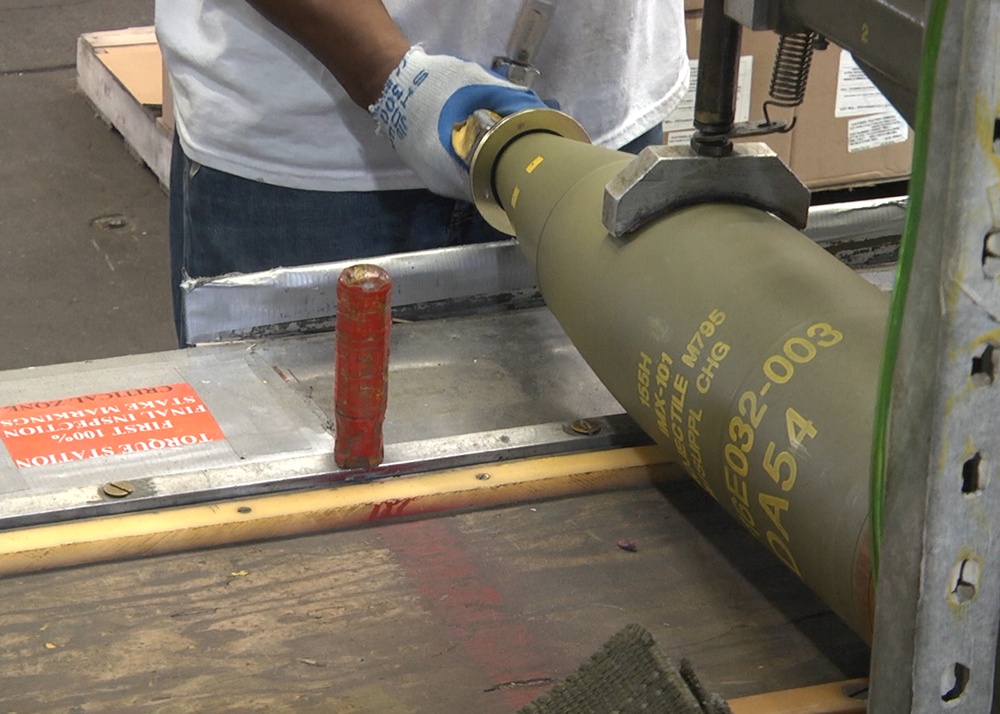
Recurring threads include: the lead-styphnate substitution timeline and its impact on European primer manufacturing; 155 mm production scale-up across Rheinmetall, Nammo, Eurenco, MBDA, and Hanwha; the FN Herstal small-arms production base; missile-grade solid-rocket motor capacity (Aerojet Rocketdyne, Northrop Grumman); the Lithuanian, Estonian, Polish, and Czech ammunition-base buildouts; and the Sovereign Combat Systems Collaboration Centre (SCSCC) model under the AUKUS framework.
ISC offers independent industrial base reviews for primes assessing competitive positioning, procurement teams stress-testing supplier capacity claims, and policy units examining the gap between announced expansion plans and deliverable production.
This category covers the industrial infrastructure that manufactures and sustains NATO’s ammunition supply — production capacity utilisation, manufacturing technology investment, industrial consolidation trends, supply chain security, and the economic factors driving munitions output. Coverage spans 155mm artillery, air-to-ground weapons, air defence systems, small-arms ammunition, and specialised ordnance across allied nations.
Munitions Acceleration Council priority list locks in 12 legacy and two emerging weapons for up to seven-year multi-year procurement, concentrating demand on a narrow set of US energetic-material supply chains.
Daily briefings and weekly analysis of ammunition production, industrial investment, and supply chain developments across NATO and allied nations.
Subscribe to Briefings