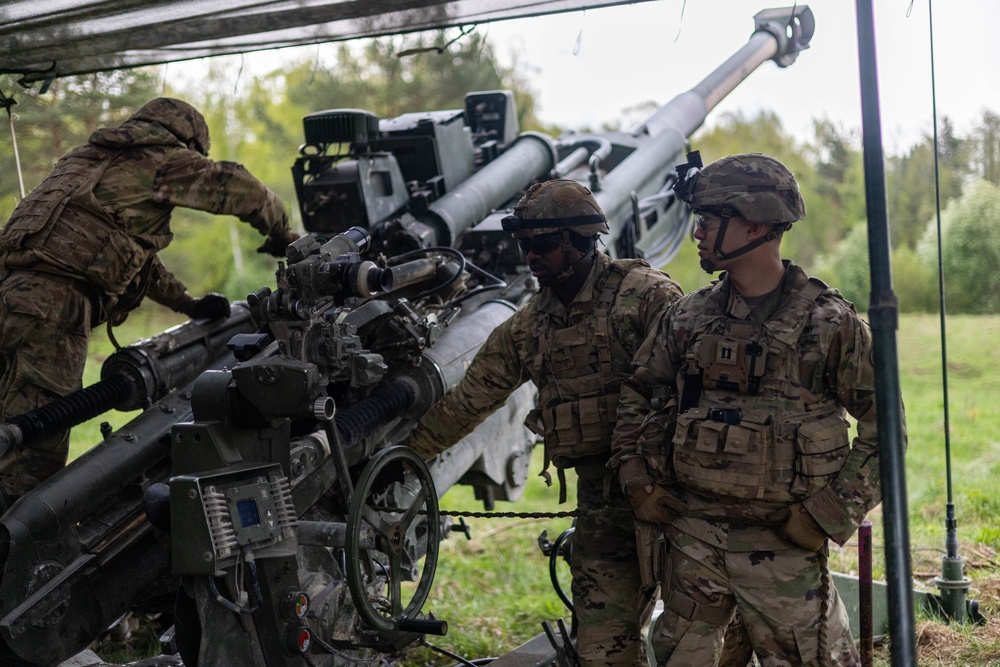
WOME intelligence (the collection, analysis, and dissemination of technical information on Weapons, Ordnance, Munitions, and Explosives) is a specialist discipline that sits at the intersection of engineering, operational analysis, and procurement intelligence. It is neither purely military nor purely civilian: its outputs inform everything from EOD team threat assessments to billion-pound procurement decisions. This guide sets out what WOME intelligence is, how it is produced, and why it matters.
Defining WOME
WOME (Weapons, Ordnance, Munitions, and Explosives) is the standard UK Ministry of Defence and NATO term for the spectrum of conventional explosive materiel. It encompasses artillery ammunition, bombs, missiles and rockets, mortar rounds, grenades, mines, pyrotechnics, demolition charges, propellants, explosive fills, and energetic sub-components at every stage of the supply chain from raw material through in-service storage to disposal.
The WOME category is governed in the UK by the Defence Safety Authority under DSA 03.OME (the successor to JSP 482), and in the NATO context by the AC/326 committee (responsible for ammunition safety standards including the AASTP series and IATG framework) and AC/327 (responsible for AQAP quality standards). Understanding which regulatory lane applies to any given WOME question is the first competency a WOME analyst must develop.
WOME is distinct from nuclear, biological, chemical, and radiological (NBCR) materiel, which is governed by separate legal and technical frameworks. It is also distinct from conventional weapons platforms (aircraft, armoured vehicles, ships) although WOME integrates with all of these as the payload that gives those platforms their operational effect.
The WOME Intelligence Cycle
Like all intelligence disciplines, WOME intelligence follows a structured cycle: collection, processing, production, and dissemination. Each stage has specific requirements and challenges in the WOME domain.
Collection
Open-source WOME intelligence draws on a diverse source ecosystem. NATO technical publications (STANAGs, Allied Ordnance Publications (AOPs), and the Allied Ammunition Storage and Transport Publication (AASTP) series) provide the foundational technical reference framework. Procurement portals (NSPA 5G, TED, SAM.gov, UK Defence Contracts Online) reveal which capabilities nations are buying and at what scale. Parliamentary records surface budget commitments and programme decisions not yet reflected in procurement notices. Defence media (Jane’s, Defense News, Breaking Defense) aggregates open-source reporting on production programmes, contract awards, and operational deployments.
Incident intelligence (reports from EOD clearance operations, humanitarian demining organisations (GICHD, HALO Trust, MAG), and national incident registries) provides ground-truth data on what ordnance is being encountered in specific theatres and in what condition. This is the raw material for EOD intelligence products that update threat databases and inform operational planning.
Processing
Raw WOME intelligence requires technical processing before it can be analysed. This means applying three filters to every piece of collected material:
- Plausibility check: Does the reported technical performance match what is physically achievable given the stated munition type? Claims about blast radii, fragmentation patterns, or penetration performance that exceed established ballistic and detonics parameters are flagged as implausible and treated with reduced confidence.
- Safety audit: Are reported handling, storage, or disposal procedures consistent with recognised doctrine (DSA 03.OME, IATG, AOP-7)? Safety deviations in reported procedures indicate either non-standard operational practice or errors in the source reporting.
- Data gap identification: Every WOME intelligence product must explicitly record what is not known — the fuze state, Net Explosive Quantity (NEQ), Hazard Division (HD), Compatibility Group (CG), country of origin, or condition of energetics where these are unavailable from the source material.
Production
Processed WOME intelligence is assembled into formal products. The primary product types are the WOME Technical Briefing (a structured assessment of a specific munition, incident, or procurement development), the Procurement Intelligence Signal (a time-sensitive notification of a significant procurement development), and the Periodic Intelligence Summary (a consolidated assessment of developments across a defined category or theatre over a reporting period).
All products cite sources using the NATO STANAG 2022 source reliability and accuracy rating system; a two-character code assigning a letter (A–F for source reliability) and a numeral (1–6 for information accuracy). This discipline prevents over-confidence in single-source reporting and ensures consumers understand the evidentiary basis for each analytical judgment.
Dissemination
Effective WOME intelligence is disseminated to the right audience at the right classification level. ISC operates exclusively in the open-source, unclassified domain. Our products are available through the WOME Intelligence feed, through our subscriber briefing service, and through direct advisory engagements for clients who require bespoke analysis.
Application Domains
EOD and Operational Planning
For explosive ordnance disposal units, WOME intelligence provides advance understanding of the ordnance likely to be encountered in a specific theatre: its design, fuzing, energetic fill, hazard division, and any known storage, handling, or transport anomalies that affect render-safe procedures. This intelligence reduces the data gap at the point of encounter and informs the technical risk assessment that underpins render-safe decisions. See our EOD Intelligence Briefing guide for detail on how this intelligence is structured and applied.
Procurement Decision Support
For procurement authorities, WOME intelligence identifies sole-source supply risks, emerging production bottlenecks, and competitive market dynamics. Understanding which energetic precursors are in constrained supply (nitrocellulose, RDX, HMX) informs long-term stockpile and investment decisions. Monitoring competitor production programmes through open-source procurement signals provides insight into where Alliance supply chains are concentrating. Our NATO Procurement Guide covers the procurement architecture within which this intelligence is applied.
Standards and Regulatory Compliance
WOME intelligence informs the application of quality and safety standards by identifying where published technical requirements (particularly the AQAP suite under STANAG 4107) may not adequately address product-specific competence requirements for ammunition and explosives. This gap between ISO 9001-derived quality frameworks and WOME-specific technical knowledge is a recognised challenge in NATO procurement that ISC has analysed in depth.