
ISC Defence Intelligence
Isfahan Ammunition Depot Strike: Penetrator Munitions Trigger Sympathetic Detonation of Stored Ordnance
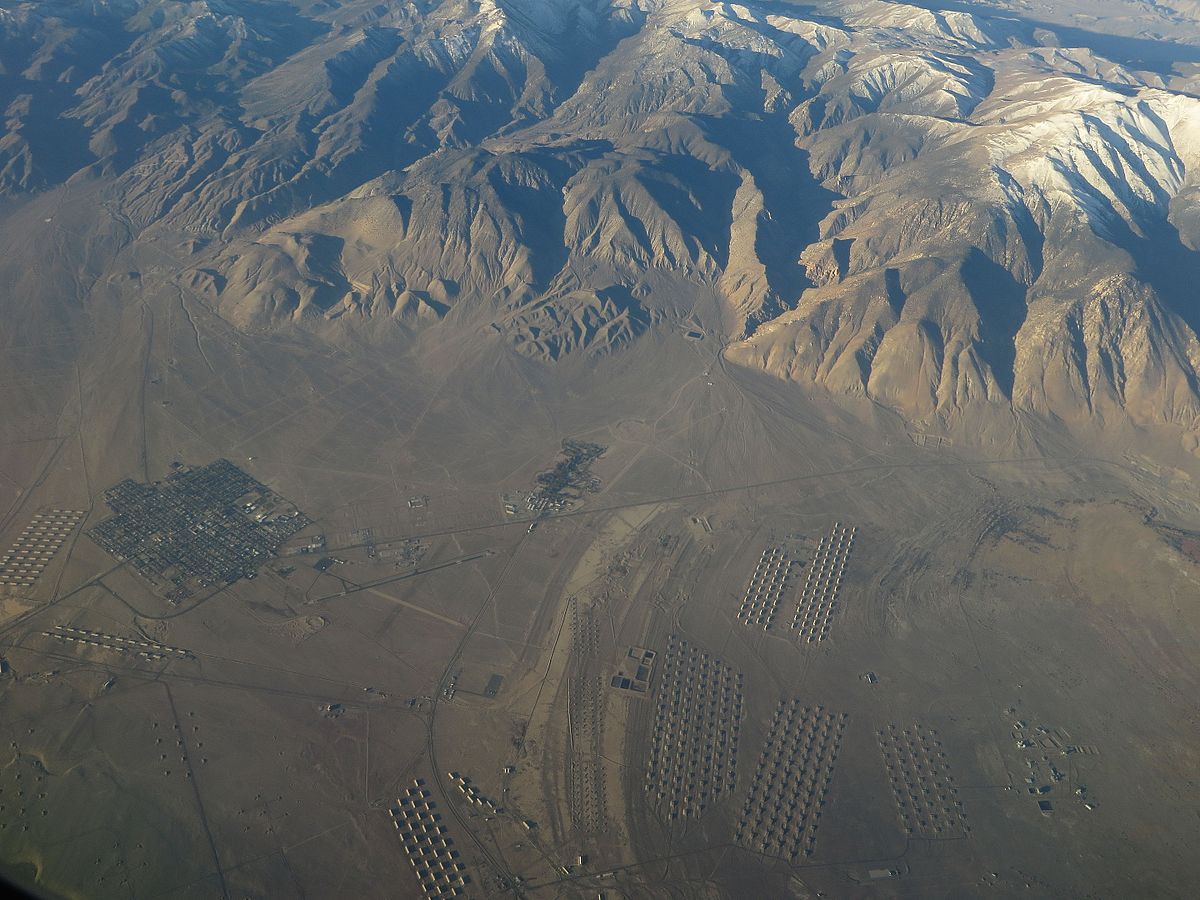
US forces employed 2,000-lb class GBU-31 Joint Direct Attack Munition (JDAM) penetrator munitions against an Iranian ammunition storage facility in Isfahan on 29 March 2026. Open-source video evidence shows sustained secondary detonations consistent with bulk explosive sympathetic initiation across multiple storage structures.
Technical Summary
On 29 March 2026, United States forces conducted a precision strike against a major ammunition depot in Isfahan, Iran, as part of the ongoing combined US-Israel air campaign designated Operation Epic Fury. Multiple open-source reports, corroborated by video footage circulated on social media and subsequently shared by the US President, confirm that 2,000-lb class penetrator munitions were employed against hardened storage structures at the facility. The Wall Street Journal, citing US officials, reported that a high volume of bunker-buster munitions were delivered during the strike.
The strike weapon is assessed as the GBU-31(V)3/B Joint Direct Attack Munition (JDAM), comprising a BLU-109/B penetrator warhead body fitted with a KMU-556/B GPS/INS guidance tail kit. The BLU-109/B contains approximately 240 kg (530 lb) of tritonal (80/20 TNT/aluminium) high-explosive fill within a forged steel casing designed to penetrate 1.8 metres (6 feet) of reinforced concrete prior to detonation. The weapon has an all-up mass of approximately 925 kg (2,039 lb) and delivers its warhead at terminal velocities exceeding 300 metres per second.
Open-source video evidence reveals a sequence of initial high-order detonations followed by sustained secondary explosions persisting for several minutes. The secondary detonation signature — characterised by multiple distinct blast events at irregular intervals, each generating visible overpressure waves and incandescent debris plumes — is consistent with sympathetic detonation propagating through adjacent ammunition storage structures. The visible fireball dimensions and debris dispersal patterns indicate Net Explosive Quantity (NEQ) significantly exceeding the initiating weapon alone, suggesting bulk Hazard Division (HD) 1.1 mass-detonating stores were present within the facility.
Analysis of Effects
Blast and Fragmentation Assessment
The primary strike effects derive from the BLU-109/B warhead detonation within or beneath hardened storage structures. Tritonal detonation generates peak overpressure of approximately 2,068 kPa (300 psi) at 1 metre from the charge centre, with a lethal radius (LR) for unprotected personnel of approximately 45 metres in open terrain. The BLU-109/B casing fragments upon detonation into high-velocity natural fragmentation (pre-scored steel), producing a casualty radius (CR) extending to approximately 365 metres.
The secondary detonation effects substantially exceed the primary weapon effects. If the depot contained HD 1.1 ammunition — which open-source reporting on Iranian ballistic missile and rocket storage at Isfahan suggests — sympathetic detonation of stored ordnance could yield aggregate NEQ in the hundreds of tonnes TNT equivalent. At 100 tonnes NEQ, the Kingery-Bulmash model predicts a damage radius (DR) for reinforced structures of approximately 250 metres and a window-breakage radius exceeding 2,000 metres.
Hazard Classification Assessment
The sustained secondary detonation sequence is consistent with HD 1.1 (mass detonation hazard) stored ammunition. The irregular timing between secondary events suggests that the storage configuration may have provided partial blast mitigation between magazines — consistent with earth-traversed or bunded storage — but was insufficient to prevent sympathetic initiation across the facility. This indicates either inadequate inter-magazine distance (IMD) per NATO AASTP-1 quantity-distance (QD) standards, or that the penetrator munitions breached the protective traverses.
GBU-31(V)3/B JDAM — Technical Parameters
Designation: GBU-31(V)3/B Joint Direct Attack Munition
Warhead: BLU-109/B penetrator (forged steel casing)
Explosive fill: ~240 kg (530 lb) tritonal (80/20 TNT/Al)
All-up mass: ~925 kg (2,039 lb)
Guidance: KMU-556/B GPS/INS tail kit; CEP <13 m
Penetration: >1.8 m (6 ft) reinforced concrete
Fuzing: FMU-143 series with delay option for post-penetration detonation
TNT equivalence: ~240 kg per weapon (primary); secondary NEQ dependent on stored contents
Personnel and Safety Considerations
The strike on an active ammunition depot generates enduring hazards that extend beyond the immediate blast effects. Explosive Ordnance Disposal (EOD) and Ammunition Technical (AT) personnel responding to such incidents must account for the following considerations.
Unexploded ordnance (UXO) dispersal from the depot stockpile presents a persistent hazard across a wide area. High-order detonation of bulk stores invariably projects some proportion of stored items without initiating them, creating a contaminated zone of live munitions, fuzes, detonators, and energetic material fragments. The dispersal radius for projected items from a mass detonation event of this estimated scale could extend to 1,500 metres or more, per AASTP-1 inhabited building distance (IBD) calculations for HD 1.1 stores.
Residual energetic contamination from incomplete detonation and scattered propellant presents both explosive and environmental hazards. TNT, RDX, and composite propellant residues are toxic and may contaminate soil and groundwater. Personnel operating within the former depot perimeter should employ appropriate personal protective equipment (PPE) and environmental monitoring consistent with DSA 03.OME Chapter 12 (Contaminated Land) principles.
Cordon distances for any subsequent render-safe procedures on UXO items dispersed from the depot should be calculated using AASTP-1 QD tables based on the NEQ of individual items, not the aggregate depot quantity. Standard minimum withdrawal distances of 300 metres for items up to HD 1.1 Category IV quantities apply until individual items are assessed and classified.
Data Gaps
DATA GAP: Depot inventory composition — The specific types and quantities of ammunition stored at the Isfahan depot are not confirmed from open sources. Iranian ammunition depots are assessed to contain ballistic missile components, rocket artillery, and conventional munitions, but the HD classification and NEQ of the stored inventory cannot be verified.
DATA GAP: Number of weapons employed — Open-source reporting confirms multiple penetrator munitions were used but the exact number of GBU-31 or GBU-57 weapons delivered is not publicly confirmed. The distinction matters: GBU-57 Massive Ordnance Penetrator (MOP) carries 2,404 kg (5,300 lb) explosive fill versus 240 kg for GBU-31.
DATA GAP: Casualty assessment — No confirmed casualty figures have been released by either Iranian authorities or US/Israeli sources. The proximity of the depot to the Isfahan urban area and the scale of secondary detonations suggest potential for civilian casualties from overpressure and fragmentation at extended range.
DATA GAP: Storage configuration — Whether the depot employed earth-traversed magazines, above-ground structures, or underground bunkers is not confirmed. This parameter is critical for assessing whether the sympathetic detonation resulted from inadequate QD compliance or from the penetrating capability of the strike weapons overcoming protective construction.
Sources & References
- [1] Voice of Emirates, “Explosion at Ammunition Depot in Isfahan Raises Concern and Uncertainty,” 29 March 2026.
- [2] Xinhua, “U.S. hits ammunition depot in Iran’s Isfahan with bunker-buster bombs: WSJ,” 31 March 2026.
- [3] WION News, “2,000-pound bunker buster bombs hit ammunition depot in Iran’s Isfahan,” 29 March 2026.
- [4] US Air Force, “GBU-31/32/38 JDAM Fact Sheet,” af.mil.
- [5] NATO, AASTP-1: Manual of NATO Safety Principles for the Storage of Military Ammunition and Explosives.
- [6] DSA 03.OME, Defence OME Safety and Environmental Management, UK Ministry of Defence.