US Patriot Interceptor Stockpile at ~50% After Iran Operations — Qatar Emergency Sale Signals Forward Resupply Strategy
Technical Summary
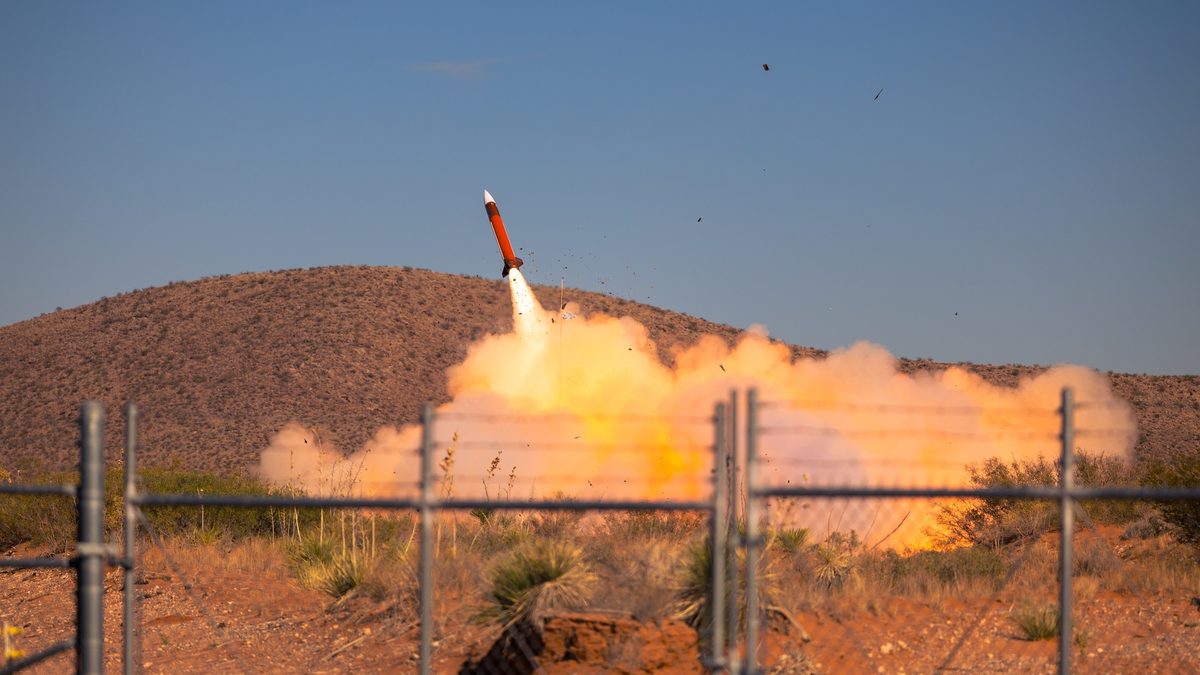
Reporting from The Hill and CNN Politics (21–22 April 2026) indicates that United States Patriot air and missile defence interceptor stocks have been reduced to approximately 50% of pre-conflict levels following operational expenditure during military operations against Iran. Concurrently, on 1 May 2026, the US Defense Security Cooperation Agency (DSCA) notified a $4.01 billion emergency Foreign Military Sale (FMS) to Qatar covering Patriot Air and Missile Defense replenishment services, including 200 PAC-2 Guidance Enhanced Missile–Tactical (GEM-T) and 300 Patriot Advanced Capability–3 Missile Segment Enhancement (PAC-3 MSE) interceptors.
The Patriot system fields two principal interceptor variants relevant to this assessment:
PAC-2 GEM-T (MIM-104E): A blast-fragmentation interceptor using a proximity-fuzed HE warhead. NEQ approximately 73 kg. Effective against ballistic missiles in the lower endo-atmospheric layer and against aerodynamic targets. Engagement envelope: approximately 15–160 km range, up to 25 km altitude. Unit cost approximately $4 million (FY2024 basis).
PAC-3 MSE (Missile Segment Enhancement): A hit-to-kill (HTK) interceptor with a lethality enhancer (fragmentation collar, classified NEQ). Intercepts ballistic missile threats in the terminal phase by direct kinetic impact. Engagement envelope extended versus PAC-3 baseline: approximately 35 km range, altitude up to 40 km. Manufactured by Lockheed Martin, Camden, AR. Production rate: approximately 500 rounds per year at current facility throughput.
Analysis of Effects
The confirmed ~50% depletion of US Patriot stocks represents a significant constraint on American force projection capability in any concurrent contingency. The Lockheed Martin Camden facility’s approximate production rate of 500 PAC-3 MSE rounds per year means restoring pre-conflict inventories to baseline will require multiple years at current production tempo, even with reported agreements to increase output. Near-term throughput cannot be accelerated to offset operational losses on a month-to-month basis due to the 18–24 month manufacturing cycle for key components including the seeker and kinematic kill vehicle assembly.
The Qatar FMS of 200 PAC-2 GEM-T and 300 PAC-3 MSE — totalling 500 interceptors — should be read as a strategic forward stockpiling measure rather than a straightforward allied capability transfer. Pre-positioning interceptors with Qatar reduces the logistical burden of surging munitions into theatre during future escalation cycles and distributes storage risk across multiple Ammunition Storage Points (ASPs) in the region. The simultaneous $2.5 billion Integrated Battle Command System (IBCS) sale to Kuwait enhances network coordination of the remaining distributed Patriot battery inventory, compensating partially for reduced interceptor numbers through improved fire-control efficiency.
For WOME practitioners: the movement of PAC-3 MSE rounds at scale involves HD 1.3 munitions with classified NEQ. Handling teams should anticipate significant ASP throughput requirements at Qatari receiving facilities. EOD elements in the region should note that expended or malfunctioning PAC-3 HTK rounds present a distinct hazard profile from blast-fragmentation interceptors — the lethality enhancer fragmentation collar and residual propellant require separate RSP protocols from PAC-2 GEM-T items.
Personnel and Safety Considerations
PAC-3 MSE interceptors are classified HD 1.3. The PAC-2 GEM-T HE warhead (approximately 73 kg NEQ) is classified HD 1.1D. Compatibility Group (CG) F applies to the rocket motor assembly. Storage of PAC-2 GEM-T rounds requires adherence to QD standards applicable to HD 1.1D, which impose substantially larger Inhabited Building Distances (IBDs) than HD 1.3 items. Mixed HD 1.1 and HD 1.3 storage must apply the higher-risk classification to the entire storage cell.
The HTK intercept mechanism of the PAC-3 MSE produces a high-velocity fragmentation pattern upon intercept. Residual rocket motor propellant in failed-to-launch or misfired rounds represents a distinct energetic hazard requiring specialist AT intervention. Ground crews handling interceptors post-launch should treat all rounds in the launcher as potentially armed until confirmed safe through positive battery authority shutdown procedures.
Data Gaps
DATA GAP 1: Exact pre-conflict Patriot interceptor inventory figures are classified — “~50%” is an open-source media estimate, not confirmed by DoD.
DATA GAP 2: Split of depletion between PAC-2 GEM-T and PAC-3 MSE variants not publicly known — operationally significant for stockpile recovery timeline.
DATA GAP 3: Lockheed Martin’s contracted production surge rate and timeline under new agreements not publicly disclosed.
DATA GAP 4: Whether Qatar will transfer any portion of the FMS allocation to US forward-deployed forces is not confirmed in open-source reporting.
AI-assisted technical assessment based on open-source material. Not a formal intelligence product. Sources: US State Department DSCA Qatar Patriot notification (1 May 2026); The Hill (21 Apr 2026); CNN Politics (22 Apr 2026); Al Jazeera (3 May 2026).